
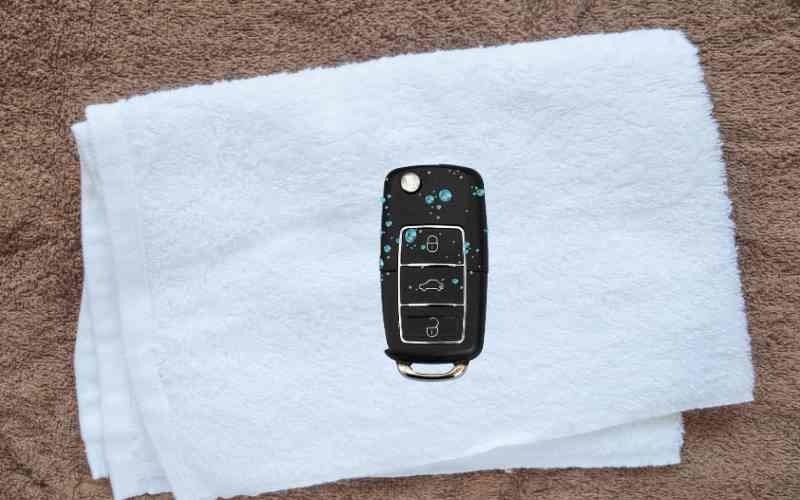
A car key today is much more than a simple tool. Most modern car keys include a key fob, remote key functions, and a transponder chip that communicates with your vehicle. So when your car key gets wet, it can quickly lead to water damage and unexpected problems.
Whether you dropped your key in water, a puddle, or even put it through the washing machine, knowing exactly what to do can help you avoid costly repairs or needing a replacement key.
When a car key gets wet, the biggest risk isn’t the water itself—it’s what happens afterwards. Inside your car key fob is a circuit board and delicate electronics that are highly sensitive to moisture.
Water exposure can:
Even if your key seems fine at first, hidden damage may develop later.
Many drivers don’t realise how easily keys get wet. Some of the most common situations include:
No matter how it happens, a wet car key should always be treated seriously.
If your car key gets wet, acting fast is critical. Follow these steps to take right away:
Use a small screwdriver to open the key. Remove the battery immediately to prevent short circuits and further water damage.
Keep the case open so air can reach the internal components. An open key dries much faster than a closed one.
Use a clean cloth to dry the key externally. Do not shake it, as water may spread deeper into the circuit board.
Avoid pressing any buttons on the key fob, as this can push moisture further into the electronics.
Properly drying your wet car key is the most important part of recovery. Here are the safest methods:
Place the key in a dry room or on a windowsill and let it air dry naturally.
Put the key in a sealed bag with silica gel packets or silica gel packs. This is one of the most effective ways to remove moisture.
If you don’t have silica gel, place the key in a sealed bag with uncooked rice. This helps absorb moisture over time.
Leave the key untouched for at least 24 hours so all moisture can evaporate.
Do not use a radiator, hairdryer, or hair dryer. High heat can warp the plastic and damage delicate electronics.
If your key in water situation just happened, avoid these mistakes:
These actions can increase the risk of long-term damage.
A smart key or key fob typically includes advanced features such as keyless entry, a start button, and a transponder chip. These rely on internal circuits and precise electronic signals.
Because of this, even a small amount of moisture can interfere with:
This is why modern car keys are more vulnerable than traditional ones.
A water-damaged key may show problems right away or develop them over time. Watch for these signs:
These are signs that internal components or the circuit board may be affected.
If your key still does not work after drying, you may need professional help. At this stage, the issue could be corrosion or damage to the internal circuit.
Your options include:
A professional can determine whether to repair or replace the key.
Having a spare key replacement can save you from being stranded. If your main key fails due to water damage, a backup ensures you can still unlock and use your vehicle.
If you don’t already have a spare key, it’s always a good idea to get one made in advance.
If your key wet situation happens again, remember this simple checklist:
Following these steps gives you the best chance of saving your car key and avoiding a full replacement.
At H Locks, we always recommend quick action and proper care. A wet key does not always mean permanent damage—but the way you respond makes all the difference.
If your car key gets wet and you’re unsure what to do next, H Locks is here to help. Our team of auto locksmiths in the West Midlands can inspect your key, repair internal damage where possible, or provide a fast replacement key for your vehicle.
Don’t wait until your key completely stops working. Contact H Locks today for expert support, quick service, and reliable solutions to get you back on the road without stress.