
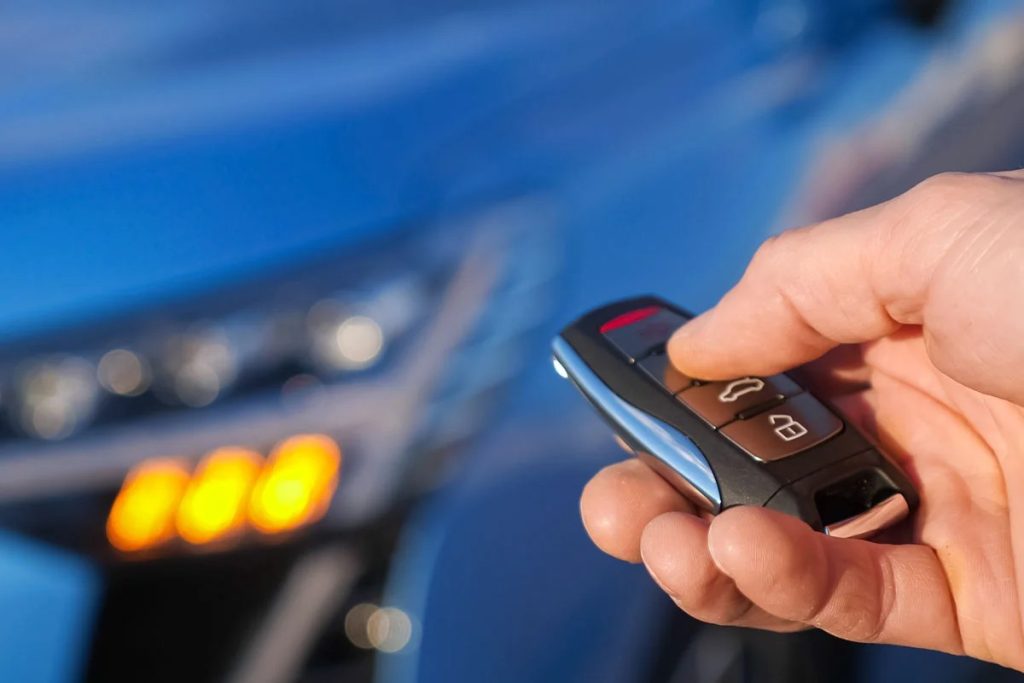
A car key that suddenly stops working can be frustrating, especially when you need to get somewhere quickly. You might press the unlock button and get no response, find that the key works intermittently, or discover that the car recognises the key but refuses to start.
Modern car keys are more sophisticated than they appear. Depending on your vehicle, your key may contain a battery, remote-control electronics, a transponder chip, or proximity technology that communicates with the vehicle’s immobiliser and security systems.
Because of this, a car key not working doesn’t necessarily mean you need to replace the entire key. The problem could be as simple as a flat battery or as complex as a damaged transponder or vehicle receiver.
Below are some of the most common reasons car keys stop working, what you can safely check yourself, and when you may need an auto locksmith.
A weak or flat battery is one of the most common reasons a remote key or key fob stops working.
As the battery loses power, you may notice that you need to stand closer to the vehicle before the buttons work. You might also have to press a button several times before the doors unlock.
Eventually, the remote functions may stop altogether.
Try replacing the key fob battery with the correct battery type recommended for your key.
When replacing it, make sure the battery is inserted in the correct direction and that the contacts inside the key are clean and undamaged.
If the key still does not work after installing a new battery, there may be another issue with the fob or vehicle.
Don’t assume the key has failed right away. If you have a spare key, test it first. If the spare works normally, the problem is more likely with your main key than the vehicle.
In some vehicles, a remote key can lose synchronisation with the car.
This may happen after a battery replacement, electrical work, a completely discharged vehicle battery, or certain faults involving the key or vehicle electronics.
When this happens, pressing the buttons may no longer lock or unlock the car even though the key itself is not physically damaged.
Some vehicles have a manufacturer-specific procedure for resynchronising the remote. Other models require specialist diagnostic or key-programming equipment.
Avoid repeatedly trying random programming procedures found online. The correct process varies considerably between manufacturers, models and model years.
Check your owner’s manual for an approved procedure. If it doesn’t include one, an auto locksmith can diagnose whether the key needs resynchronising or reprogramming.
Many modern car keys contain a transponder chip that communicates with the vehicle’s immobiliser.
The chip is part of the vehicle’s anti-theft system. If the car does not recognise the correct transponder signal, it may prevent the engine from starting.
You may find the doors still unlock while the engine refuses to start.
The key may have been dropped, physically damaged, exposed to water or previously repaired incorrectly.
In other situations, the key may be working, but the vehicle may have trouble detecting or communicating with it.
If you have a spare key, try starting the vehicle with it.
If the spare works normally, it strongly suggests the original key is causing the problem.
A professional auto locksmith can test the key and determine whether the transponder needs programming, repair or replacement.
Sometimes the problem isn’t your key.
A weak or completely flat vehicle battery can make it seem like your remote key has suddenly stopped working because the car’s central locking or electronic systems aren’t responding.
If none of the vehicle’s electrical systems responds, the interior lights are unusually dim, or the dashboard does not illuminate normally, check the condition of the vehicle battery.
If you have a second key and neither remote operates the vehicle, this suggests the problem may be with the car rather than both keys.
Car keys go through a surprising amount of wear.
They are dropped onto hard surfaces, carried alongside other objects, exposed to moisture and used several times every day.
A key can look perfectly normal on the outside while components inside have become damaged.
You might notice that the buttons only work when pressed firmly, the remote works intermittently, the key rattles, or the casing has started separating.
If a key starts behaving differently immediately after being dropped, internal damage should be considered.
Avoid repeatedly hitting or bending the key to make it work, as this can make the damage worse.
The buttons on a remote key operate small switches inside the fob.
After years of use, these switches can wear out or become damaged. The external rubber or plastic buttons can also deteriorate.
You may notice that one button works while another doesn’t, or that a button needs excessive pressure before the vehicle responds.
In some cases, you may be able to repair the key without replacing the entire unit.
Electronic car keys and water don’t mix.
A key that has been through the washing machine, key dropped in water or exposed to significant moisture may develop problems immediately or several days later as corrosion develops internally.
Remove the battery if the key design allows you to do so safely.
Dry the exterior and avoid repeatedly pressing the buttons while the electronics are still wet.
Do not apply excessive direct heat from a hairdryer, radiator or similar source, as high temperatures can damage electronic components or distort the casing.
If the key remains unreliable after drying, have a professional inspect it.
Traditional and flip-style car keys still rely on a physical blade for certain functions.
Over time, the blade can wear down or become damaged. A bent key may also stop turning smoothly in the lock or ignition.
If the key does not turn normally, avoid applying excessive force.
A key that breaks inside an ignition or door lock creates a more complicated problem than a worn key that can still be removed.
If you notice bending, cracking or excessive wear, consider having the key inspected and replaced before it fails completely.
If the key fits but will not turn properly, the problem may be with the ignition rather than the key.
Ignition components can wear over time, and dirt, damaged internal parts, or prolonged use with a worn key can contribute to problems.
If you have a spare key, test it carefully. If both keys experience the same problem, the ignition may need professional attention.
Do not use excessive force or tools to turn the key.
A key that suddenly refuses to turn in the ignition does not always indicate a fault.
The steering lock may simply be under pressure.
Try gently moving the steering wheel from side to side while carefully turning the key. Do not force either the steering wheel or the key.
If this releases the key, the steering lock was likely the cause. If the problem happens regularly or the key still refuses to turn, you may need further inspection.
Modern vehicles rely heavily on electronic communication between the key and the vehicle.
A replacement key normally needs to be correctly programmed to the vehicle before all functions will work.
Programming issues can also arise following certain electrical faults, repairs or key problems.
A key may unlock the vehicle mechanically but still fail to start it if it doesn’t recognise the correct transponder information.
An auto locksmith with suitable diagnostic equipment can determine whether programming is required, rather than replacing parts unnecessarily.
If several keys have the same problem, the fault may be on the vehicle side.
The receiver responsible for detecting the remote signal, central locking components, electrical wiring or related control systems could be causing the issue.
This is why testing a spare key is so useful. It can help you determine whether you have one faulty key or a wider vehicle problem.
Keyless-entry and push-button-start vehicles rely on proximity communication between the smart key and the car.
If the vehicle displays a message such as “Key Not Detected”, the cause could be a weak fob battery, electronic interference, a damaged key or a problem with the vehicle’s detection system.
Start with the simple checks.
Replace the fob battery if necessary and move other electronic devices or keys away from the fob.
Some vehicles also have an emergency detection point where you can hold the key if its battery is weak. Check your vehicle handbook for the correct procedure for your specific model.
If the problem continues with a fresh battery, you may need professional diagnosis.
Before assuming your car key needs replacing, you can perform a few straightforward checks:
These simple checks can sometimes identify the cause without any specialist work.
Car keys are designed for regular use, but proper care can reduce the risk of unexpected failure.
Avoid dropping your key or exposing it to water. Don’t attach an unnecessarily heavy collection of keyrings to an ignition key, and replace a damaged casing before the internal electronics become exposed.
If the remote range starts getting shorter, consider replacing the battery before it fails completely.
It’s also worth checking your spare key occasionally. A spare that’s been sitting in a drawer for years may have a flat battery or another problem you won’t discover until you need it.
Most importantly, don’t ignore early warning signs. Intermittent buttons, difficulty turning the ignition, damaged casings and unreliable smart-key detection can all be easier to address before the key stops working completely.
If you’ve changed the battery, tested your spare key and completed the basic checks but your key still isn’t working, it may be time for professional diagnosis.
The important step is identifying whether the fault is with the key, transponder, programming, ignition, lock or vehicle electronics before deciding what needs to be repaired or replaced.
If your car key has stopped working, H Locks can help identify the problem and recommend the appropriate solution.
We provide professional auto locksmith services across the West Midlands, including car key replacement, key programming, damaged and faulty keys, vehicle lockouts, and other car key and lock problems.
Whether your key has stopped communicating with the vehicle, become damaged, or simply isn’t working as it should, our team can assess the issue and help you get back on the road.
Having trouble with your car key? Contact H Locks today for professional auto locksmith assistance across the West Midlands.